
 中文简体
 عربى
ZHONGSHENG
ZHONGSHENG
ZHONGSHENG
ZHONGSHENG
ZHONGSHENG
ZHONGSHENG
ZHONGSHENG
ZHONGSHENG
ZHONGSHENG

-
 13858226971@163.com
-
 Phone:+86-15344609926

BLDC Evaporative Air Cooler PCB Supplier
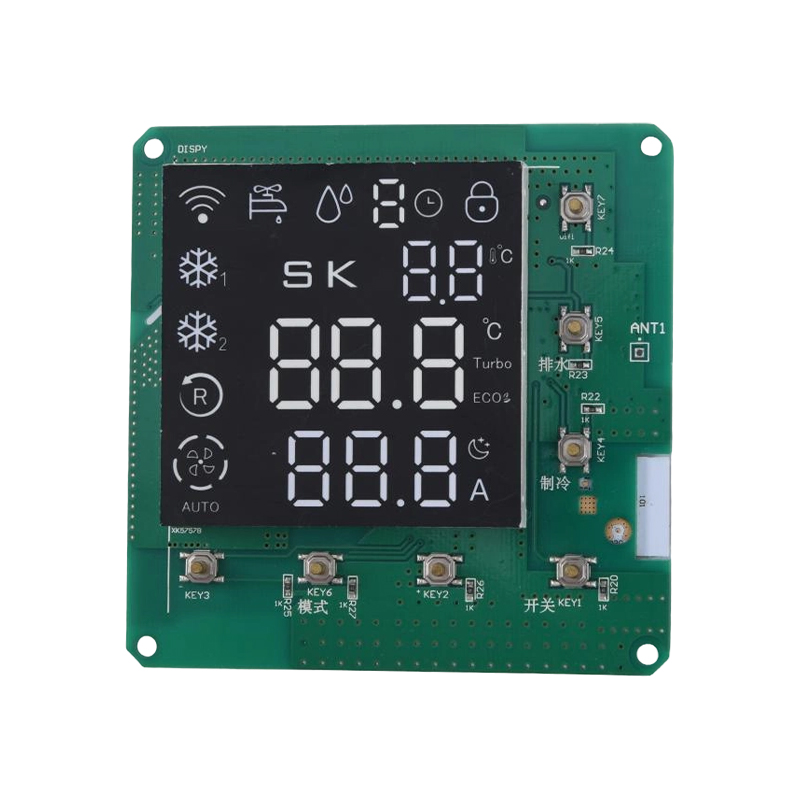

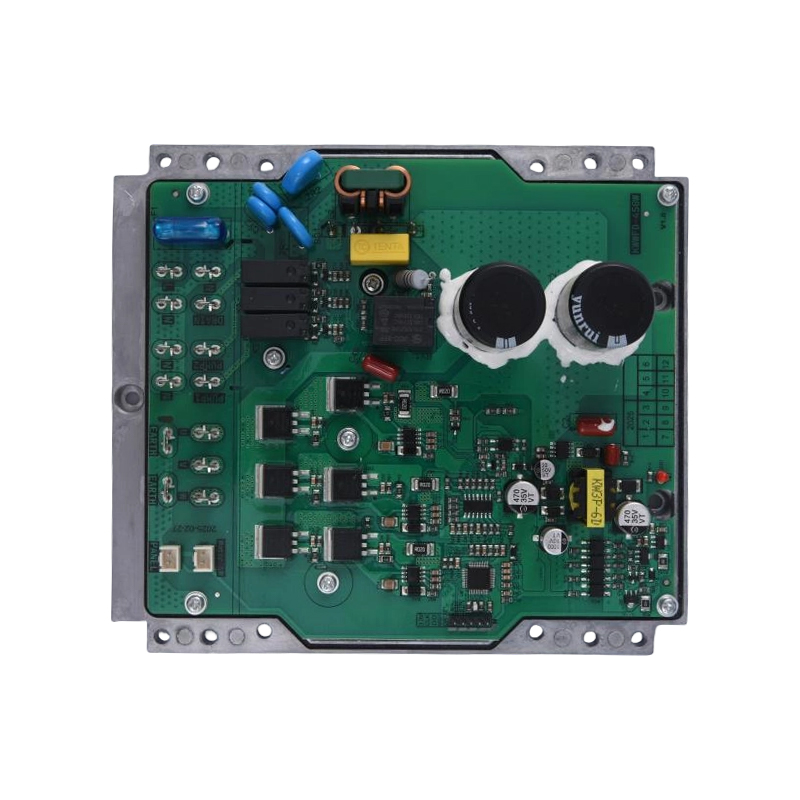
The BLDC DC brushless evaporative air cooler PCB uses a DC brushless motor drive scheme. Compared with traditional AC control circuits, it offers higher technical sophistication in low-voltage control, variable-frequency speed algorithms, and communication interface integration, achieving lower noise, higher energy efficiency, and more precise speed control. This PCB series handles motor variable-frequency drive, stepless fan-speed adjustment, smart water-level monitoring, dry-run protection, and multiple oscillation-mode logic, and is suitable for mid-to-high-end cooling equipment with higher requirements for energy efficiency, quietness, and intelligence. We can provide customized services from circuit design to mass production based on the customer's voltage platform (12V/24V/48V), communication protocol (Wi-Fi/Bluetooth), and appearance/structure.
About
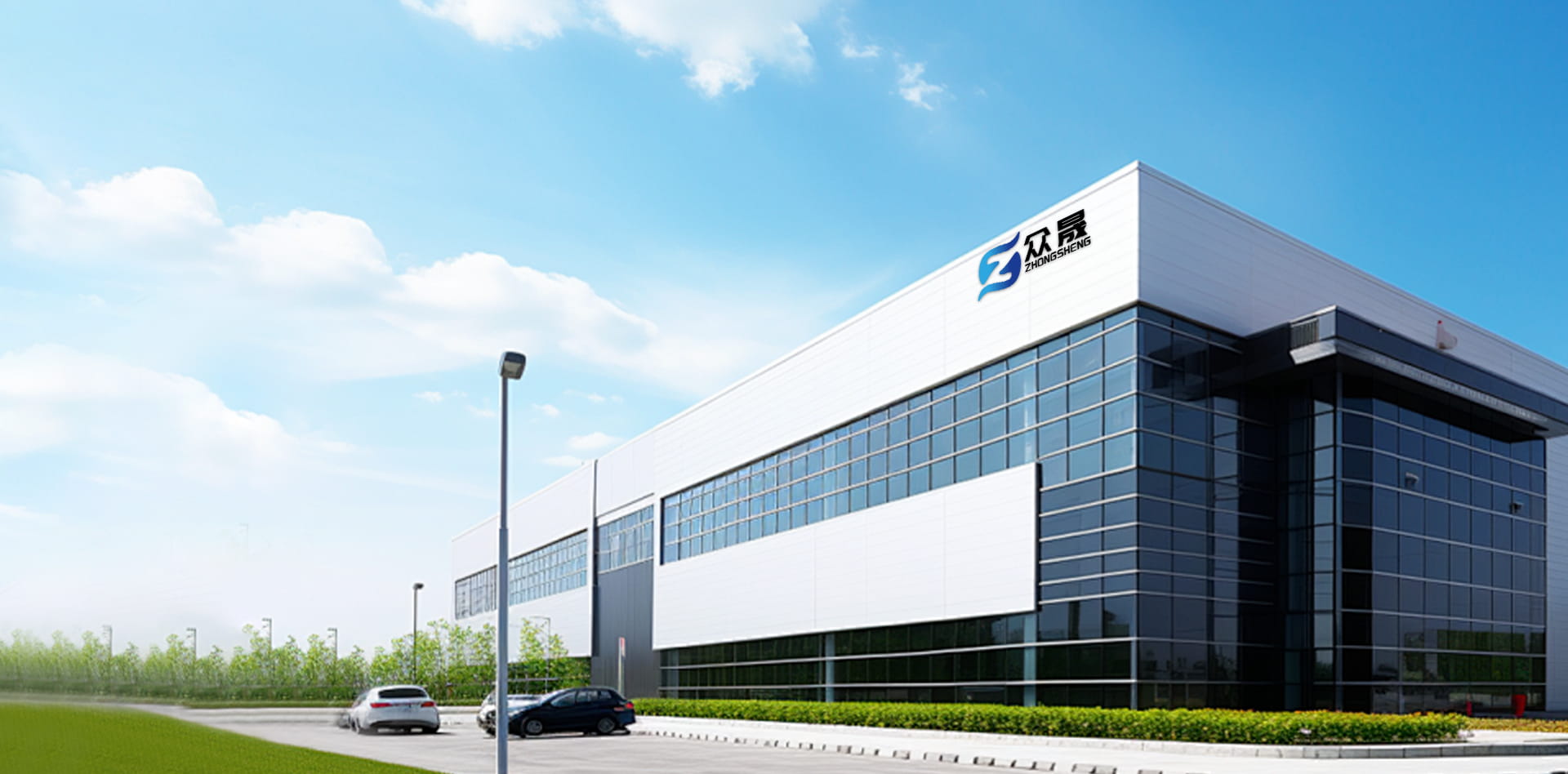
Ningbo Zhongsheng Electronic Technology Co., LTD.
Ningbo Zhongsheng Electronic Technology Co., LTD. was established in 2015 and is located in the beautiful port city of Ningbo. We are a China BLDC Evaporative Air Cooler PCB Supplier and OEM/ODM BLDC Evaporative Air Cooler PCB Factory, specialize in the research and manufacturing of intelligent control systems for household appliances. We focus on the full-chain services of intelligent control boards and electronic products, from research and development to manufacturing, always adhering to the core concepts of "high cost-effectiveness" and "smart living". Ningbo Zhongsheng Electronic Technology Co., LTD. was established in 2015 and is located in the beautiful port city of Ningbo. We specialize in the research and manufacturing of intelligent control systems for household appliances. We focus on the full-chain services of intelligent control boards and electronic products, from research and development to manufacturing, always adhering to the core concepts of "high cost-effectiveness" and "smart living".
Message Feedback
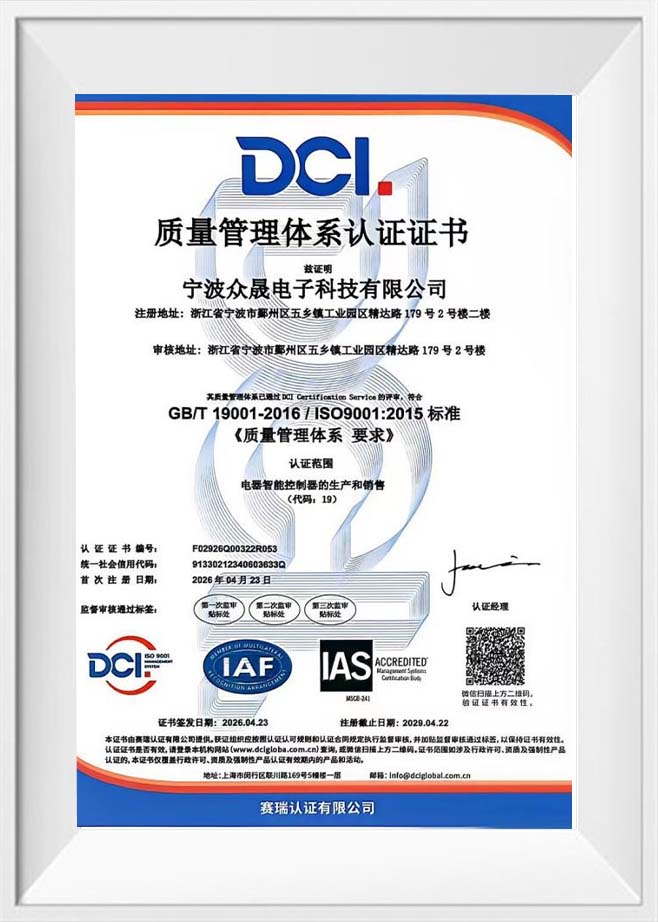
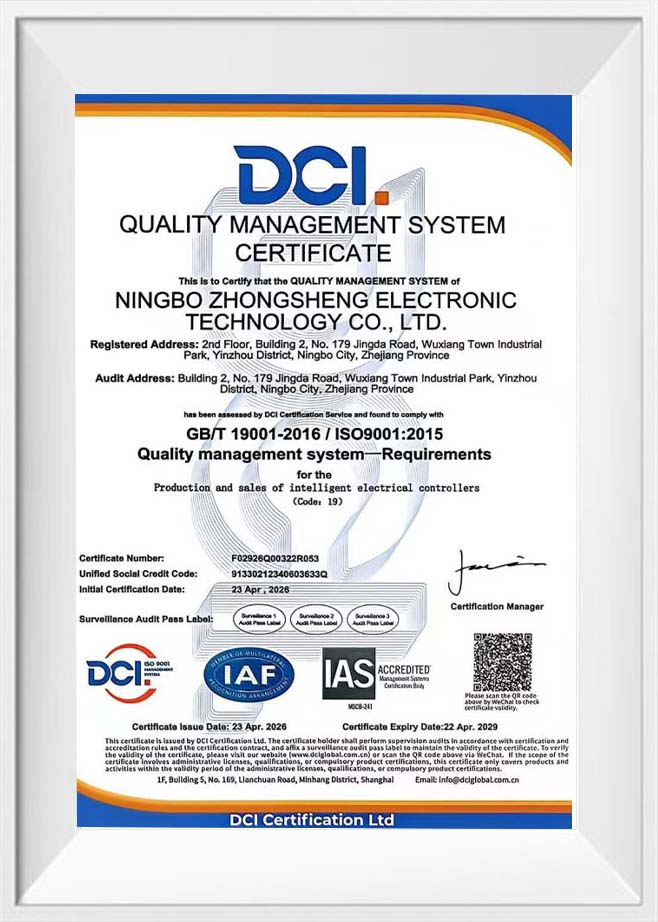
Certificate Of Honour
Latest News
BLDC Evaporative Air Cooler PCB Industry knowledge
What B2B Buyers Should Know Before Sourcing a BLDC Evaporative Air Cooler PCB
A well-designed BLDC Evaporative Air Cooler PCB is the control board that lets a brushless DC fan motor run quietly, adjust speed in fine steps, and stay protected during stalls, voltage dips, and humid operation. The short answer for buyers is that a BLDC board earns its place in cooler models where low noise, smooth speed control, and lower power draw at part load are selling points. Compared with a conventional AC motor board, it adds a motor drive stage, rotor position sensing, and more detailed protection logic, so the board design and firmware tuning matter more than before.
This is why appliance brands, private-label owners, and contract manufacturers often look for a BLDC Evaporative Air Cooler PCB Factory that can handle circuit design, firmware, assembly, and testing under one roof. In the sections below, we cover which criteria buyers rank highest, what the board controls, how power draw changes with speed, how BLDC and AC boards compare, how soft start works, and where engineering effort goes. The aim is practical: help you prepare a clear brief for a BLDC Evaporative Air Cooler PCB Supplier and ask the right questions before requesting a sample.
The Sourcing Criteria Buyers Rank Highest for BLDC Cooler Boards
When procurement and engineering teams compare suppliers, a familiar set of criteria keeps coming up. The horizontal bar chart below shows an indicative importance index, scaled from 0 to 100, based on priorities commonly raised during supplier evaluations for BLDC cooler control boards. Quiet low-speed operation sits at the top, because a brushless motor is usually chosen to give a calmer product, and any hum or vibration at low settings is easy for users to notice. Speed control smoothness follows closely, since users expect each speed step to feel distinct and stable. Stall and over-current protection comes next, as a blocked fan or a worn bearing can push the motor drive stage into stress. Humidity resistance, electrical safety, and customization flexibility complete the list, and the last of these often decides which supplier wins a long-term cooperation once the technical basics are met. Treat the chart as a planning aid rather than a fixed ranking, because each product and market weighs these items a little differently.
The practical lesson is that the top items are technical and testable, while the bottom ones are about how well a supplier works with your team. A reliable BLDC Evaporative Air Cooler PCB Factory will show noise and speed-step test records, protection test results, and a clear process for sampling, firmware updates, and delivery scheduling.
What the BLDC Control Board Does Inside an Evaporative Air Cooler
An evaporative cooler pulls air through a wet pad, and the fan speed sets how much air moves and how much noise the user hears. In a BLDC design, the motor has no brushes, so the board itself has to switch the motor windings in the right order at the right moment. That job is handled by a drive stage, a controller, and a position sensing method, and the same board also manages the water pump, the water-level sensor, the user panel, and any remote or app interface. Because the board takes over work that a mechanical component once did, its quality shows up directly in the feel of the cooler.
Main Functions of a BLDC Evaporative Air Cooler PCB
| Function Block | What It Does | Why It Matters |
|---|---|---|
| Motor Drive Stage | Switches the motor windings through a power bridge | Smooth rotation and low vibration |
| Rotor Position Sensing | Reads Hall sensors or estimates position without sensors | Correct switching timing at all speeds |
| Speed Setting Logic | Converts panel or remote input into a speed command | Distinct, stable speed steps |
| Motor Protection | Detects stall, over-current, over-temperature, and low voltage | Protects the motor and the board in fault conditions |
| Pump and Water-Level Control | Runs the pump and stops it when the tank is low | Even pad wetting and dry-run protection |
A short specification list helps a supplier quote and design faster. Most projects start by defining the following points:
- Input voltage range and the AC-to-DC power stage needed for each target market.
- Motor voltage, rated current, number of poles, and sensor type.
- Number of speed steps, speed range, and the noise target at low settings.
- Pump type, water-level sensing method, and any extra loads such as swing or lighting.
- Panel layout, remote or app interface, housing dimensions, and connector positions.
How Fan Power Draw Changes Across Speed Settings
One reason brands choose a BLDC drive is how power draw behaves as the fan speed changes. The column chart below shows an illustrative relative power index for five speed settings, with the highest setting set to 100. At the lowest setting, the fan uses only a small fraction of its top-speed power, which suits overnight and quiet-room use. Power rises slowly across the first three settings, then climbs faster toward the top, because airflow demand and motor load increase together at higher speeds. This shape gives product teams room to design speed steps that feel clearly different to the user while keeping the low settings gentle on energy use. These numbers are illustrative, and actual results depend on the motor, the fan blade, the housing, and the control firmware.
For a brand planning a product range, this curve is a useful starting point for setting speed steps and energy labels. A BLDC Evaporative Air Cooler PCB Supplier that can tune the speed table in firmware lets you adjust each step after testing the real fan, instead of redesigning the hardware.
BLDC Boards Compared with Conventional AC Motor Boards
Buyers often ask how a BLDC board differs from a conventional AC motor board, and the radar chart below compares the two across five dimensions: speed resolution, low-noise operation, energy efficiency, circuit simplicity, and protection depth. The BLDC board reaches further on speed resolution, low-noise operation, energy efficiency, and protection depth, because it controls the motor electronically and can monitor current and speed all the time. The AC board reaches further on circuit simplicity, since it switches the motor directly from the mains supply with fewer parts and no firmware tuning for motor drive. Neither shape fills the chart, which is the real message: each approach suits a different product position. A cooler built for a quiet bedroom or a premium range leans toward BLDC, while a simpler model with a basic feature set may still suit an AC board. The scores are illustrative and meant to support a discussion about product positioning.
For an appliance brand, the chart suggests a simple selection rule: choose a BLDC design where quiet running, fine speed steps, and detailed protection support the product story, and keep an AC design for simpler models. A BLDC Evaporative Air Cooler PCB Factory that also builds AC boards can compare both options against your target market and feature list.
Why Soft Start Improves the User Experience
Soft start is one of the first behaviors users notice when a cooler is switched on. The line chart below shows an illustrative fan speed ramp over the first four seconds after power-on, expressed as a percentage of the selected speed. The speed rises in a controlled curve rather than jumping straight to the target, which limits the starting current and reduces sudden noise from the blades and housing. A steady ramp also lowers mechanical stress on the motor shaft and bearings, which supports long-term reliability. If the curve shows sudden steps or overshoot, it usually points to a tuning problem in the drive firmware or a mismatch between the motor and the control parameters. Buyers can ask a supplier for ramp recordings measured on the real fan, since the ideal curve depends on blade weight, housing, and motor characteristics.
In this example, the fan reaches about 25% of target speed after 1 second and the full setting at 4 seconds, a smooth and predictable pattern. Soft start is a firmware setting, so the ramp time can be adjusted for different blade sizes and housings without changing the board hardware.
Where Engineering Effort Goes in a BLDC Board Project
A BLDC board project spreads its effort across hardware, firmware, and testing, and knowing the split helps buyers plan timelines. The donut chart below shows an indicative share of engineering effort across the main work areas. Drive algorithm and firmware tuning takes the largest slice, since the motor, fan blade, and housing all affect how the control should behave. Hardware design, layout, and EMI work come next, covering the power stage, grounding, and filtering that keep switching noise under control. Protection and safety testing follows, covering stall, over-current, over-temperature, and electrical safety checks. Reliability and humidity testing, along with production test fixtures, make up the remainder. Seeing the effort laid out this way helps buyers ask better questions, such as how many tuning rounds are planned and how test results are recorded.
A supplier with documented procedures in each of these areas makes it easier for your own quality team, or a third-party inspector, to verify results. Firmware version control, component traceability, and clear corrective action steps are good signs of a mature operation, and they matter whether the order is for a single board model or a full family of cooler controllers.
Working with a Custom Board Partner from Concept to Shipment
A smooth project usually follows a predictable path. It starts with a brief covering the cooler type, input voltage, motor data, speed steps, noise target, pump needs, panel layout, and target certifications. The factory then proposes a circuit, layout, and drive strategy, followed by sample boards that are tuned on your actual fan and housing. After the sample is approved, pilot production confirms that the design holds up at volume, with attention to solder quality and output consistency. Mass production and final inspection come next, and the project closes with packing, documentation, and shipping coordination.
What helps most on the buyer side is sharing the motor and fan samples early, together with a clear specification for speed steps and noise targets. What helps most on the factory side is in-house capability across circuit design, firmware, assembly, and testing, which shortens the loop when a sample needs a tweak, such as a new speed table, a revised protection threshold, or an updated panel layout. A trusted BLDC Evaporative Air Cooler PCB partner that handles these steps in-house can keep the buyer informed with test data, revised drawings, and sample photos at each stage, which is especially useful for brands that run several product lines at once.
About Ningbo Zhongsheng Electronic Technology Co., LTD.
Ningbo Zhongsheng Electronic Technology Co., LTD. was established in 2015 and is located in the beautiful port city of Ningbo. We are a China Custom Intelligent Control Boards Manufacturer and PCB Board Factory, specializing in the research and manufacturing of intelligent control systems for household appliances. We focus on the full-chain services of intelligent control boards and electronic products, from research and development to manufacturing, always adhering to the core concepts of "high cost-effectiveness" and "smart living".
For appliance brands looking for a dependable BLDC Evaporative Air Cooler PCB Supplier, this full-chain approach, covering research, design, production, assembly, and testing, offers a practical starting point. Working with a team that understands both household appliance behavior and electronic control helps connect the board with the motor, pump, housing, and user experience of the finished cooler.
Frequently Asked Questions
Q1: What does a BLDC evaporative air cooler PCB do?
A1: It is the control board that drives the brushless fan motor, sets the speed steps, runs the water pump, and protects the cooler from faults such as stalls and over-current.
Q2: Can the board be customized for my cooler?
A2: Yes. Board size, motor parameters, speed table, soft start time, panel layout, connectors, and wireless options can usually be adapted, subject to your cooler design and the standards of your target market.
Q3: How is board reliability verified?
A3: Boards are typically checked through functional tests, burn-in under load, protection tests, and inspection of solder joints, and the factory records the results so they can be reviewed batch by batch.
Q4: What should be checked on a sample before approving production?
A4: Check each speed step, noise at low settings, soft start behavior, stall and over-current protection, pump and water-level functions, and behavior in humid air, and compare them with the agreed specification.
Q5: How should a buyer evaluate a BLDC evaporative air cooler PCB factory?
A5: Review test records, firmware version control, sample quality, component traceability, and communication responsiveness, and consider a factory audit or third-party inspection before mass production begins.

-
 No. 179, Jingda Road, Wanshan Town, Yinzhou District, Ningbo City, Zhejiang Province, China
-
 +86-15344609926
+86 13858226971 -
 +86 13858226971
+86 15344609926 -
 13858226971@163.com
PRODUCTS
QUICK LINKS
SOCIAL MEDIA
Copyright © Ningbo Zhongsheng Electronic Technology Co., LTD. All Rights
Reserved
BLDC Evaporative Air Cooler PCB Supplier
OEM/ODM BLDC Evaporative Air Cooler PCB Factory
