
 中文简体
 عربى
ZHONGSHENG
ZHONGSHENG
ZHONGSHENG
ZHONGSHENG
ZHONGSHENG
ZHONGSHENG
ZHONGSHENG
ZHONGSHENG
ZHONGSHENG

-
 13858226971@163.com
-
 Phone:+86-15344609926

Fan PCB Board Manufacturer
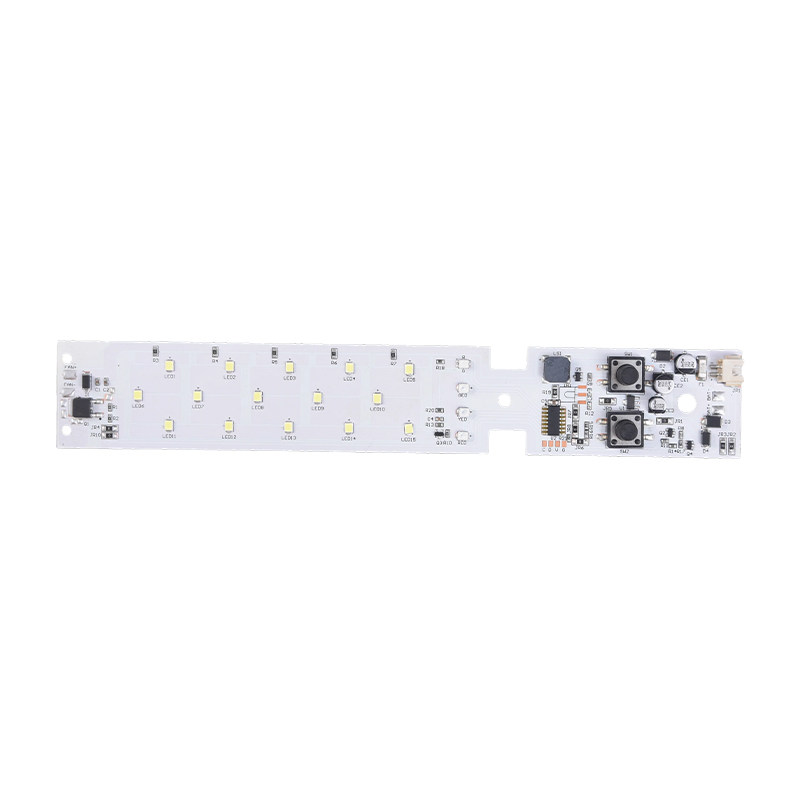

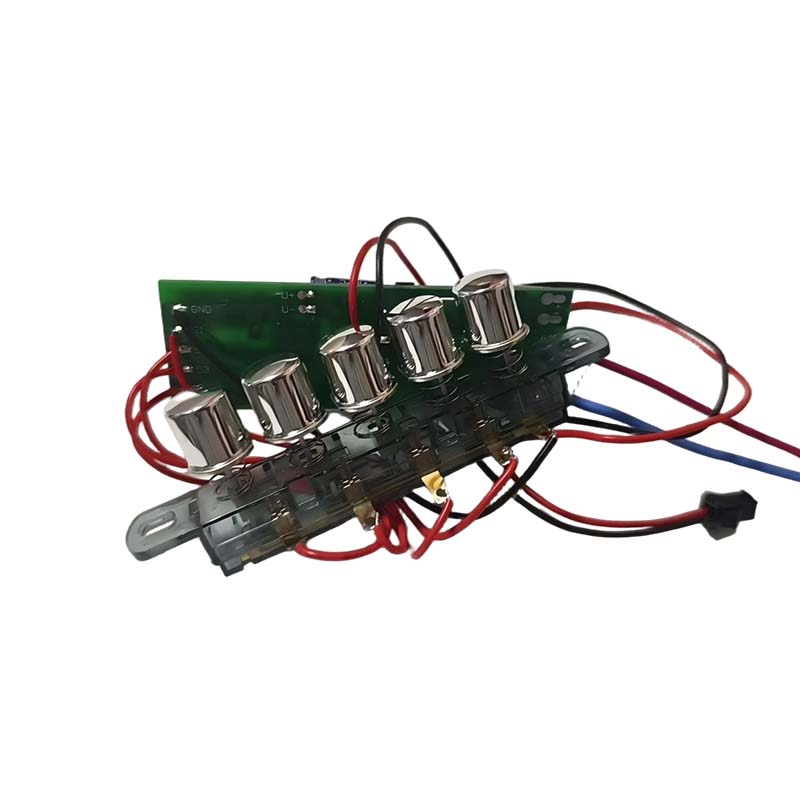
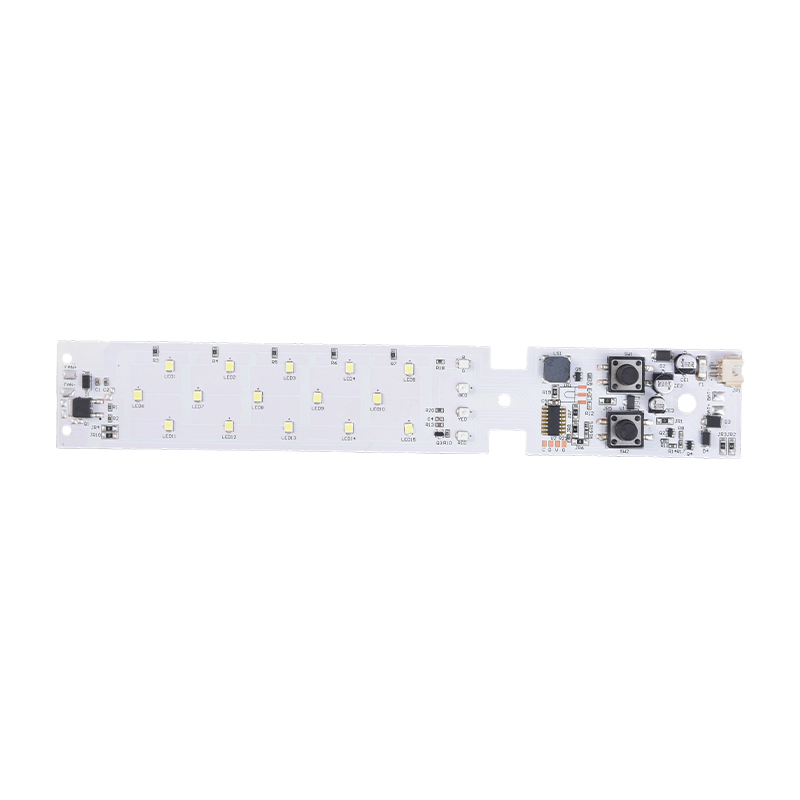
As a professional manufacturer of electric fan PCB control boards, we provide control board solutions covering both AC-driven and BLDC DC variable-frequency-driven technology routes for household floor fans, table fans, circulation fans, and commercial/industrial cooling fans. Our products include multi-speed adjustment, automatic oscillation, timed on/off, smart temperature control, and infrared/app remote control function modules, all built with high-quality electronic components and subjected to rigorous aging tests to ensure stability and safety during long, continuous operation. We provide OEM/ODM one-stop services for fan manufacturers, brands, and trading companies, flexibly customizing circuit solutions based on the finished product's structure, power rating, and target market needs, helping customers quickly launch competitive new fan products.
About
Ningbo Zhongsheng Electronic Technology Co., LTD.
Ningbo Zhongsheng Electronic Technology Co., LTD. was established in 2015 and is located in the beautiful port city of Ningbo. We are a China Fan PCB Board Manufacturer and Custom Fan Control PCB Factory, specialize in the research and manufacturing of intelligent control systems for household appliances. We focus on the full-chain services of intelligent control boards and electronic products, from research and development to manufacturing, always adhering to the core concepts of "high cost-effectiveness" and "smart living". Ningbo Zhongsheng Electronic Technology Co., LTD. was established in 2015 and is located in the beautiful port city of Ningbo. We specialize in the research and manufacturing of intelligent control systems for household appliances. We focus on the full-chain services of intelligent control boards and electronic products, from research and development to manufacturing, always adhering to the core concepts of "high cost-effectiveness" and "smart living".
Message Feedback
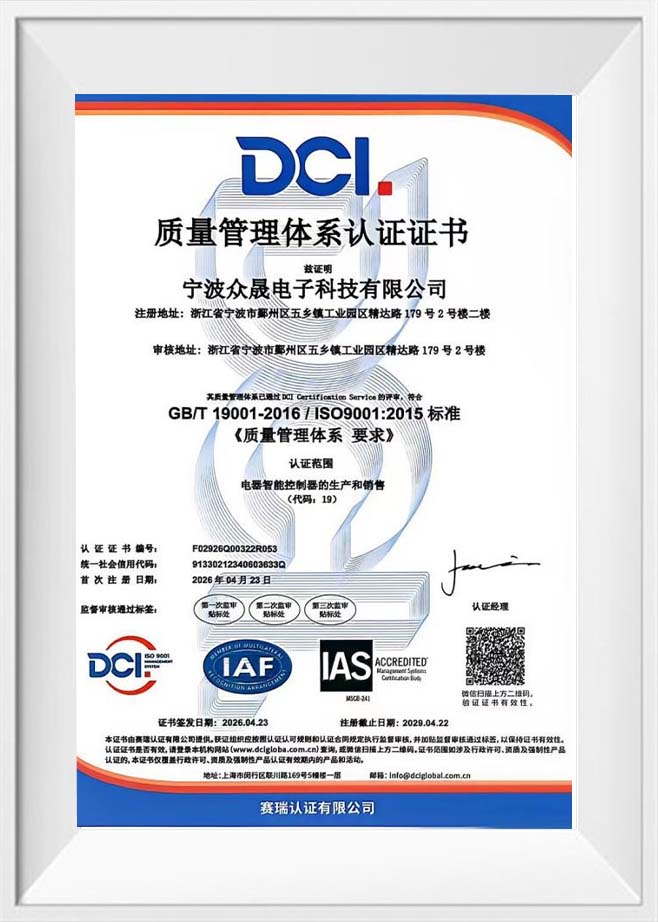
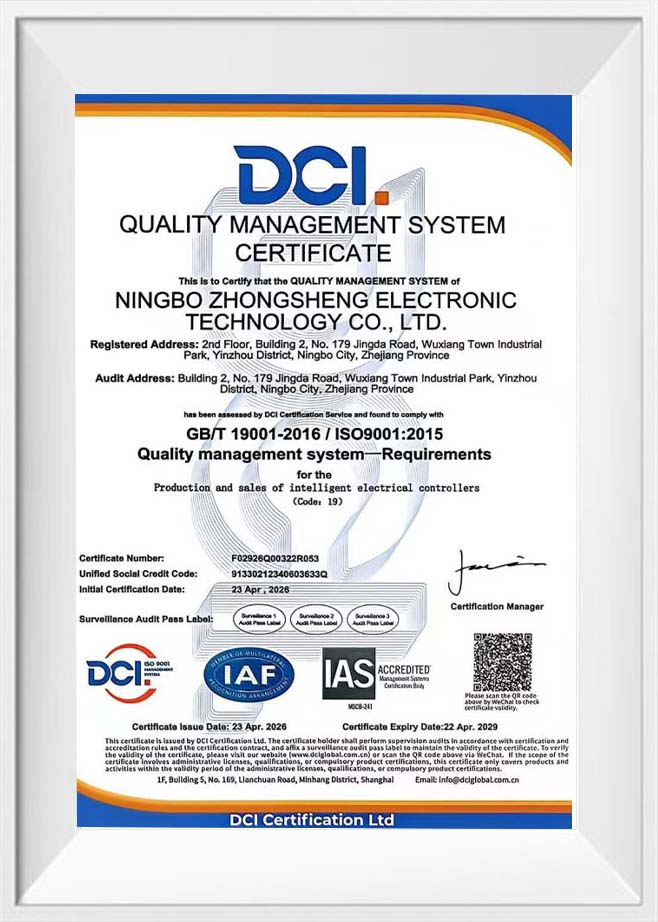
Certificate Of Honour
Latest News
Electric Fan PCB Industry knowledge
What an Electric Fan PCB Does and Why It Shapes the Whole Product
The short answer for appliance brands, OEM buyers, and sourcing teams is this: an Electric Fan PCB decides how a fan feels to the user. It sets how smoothly the speed changes, how quiet the motor runs at low settings, how much power the fan draws, and how safely it shuts down when something goes wrong. Two fans with the same motor and blades can feel very different simply because their control boards were designed differently.
This article is written for buyers rather than engineers. It explains what a fan control PCB is responsible for, compares common drive types, shows how noise and efficiency relate to board design, and outlines what to ask a manufacturer before starting a project. The charts use illustrative index values to make comparisons easier to read, so they should be treated as a planning aid rather than test results for any single product.
How Drive Type Affects Energy Efficiency
The way a board drives the motor is the biggest factor in how much electricity a fan uses. The horizontal bar chart below scores three common drive types on a 0-100 energy efficiency index, which reflects how much of the power drawn is turned into airflow rather than heat or wasted energy.
The brushless direct-current drive leads because it controls the motor electronically and avoids much of the energy lost in older approaches. A basic step control simply changes the voltage or winding the motor sees, which works but wastes some power as heat, especially at low speeds. Electronic control on an alternating-current motor improves smoothness, though it still depends on the motor's own efficiency limits. A brushless drive adds a more capable board, but it often lets the fan run at lower power for the same airflow and with less noise. For brands selling into markets where energy labels matter, this difference can affect how a product is positioned and which regulations it needs to meet.
What a Fan Control PCB Is Responsible For
A fan control PCB does more than switch a motor on and off. It reads the user's commands, drives the motor at the right speed, and protects the product from faults, all while staying small enough to fit inside a base, a pole, or a handle. A fan PCB board that handles these roles cleanly gives the brand room to add features without redesigning the whole product.
Key Parts and Functions on the Board
- Control chip: reads buttons, remote commands, and sensors, and decides what the motor should do.
- Power supply section: converts mains voltage to the lower voltage the control circuits need.
- Motor drive circuit: sets fan speed through steps, smooth electronic control, or brushless drive.
- Interface section: connects to buttons, display, infrared receiver, or wireless module.
- Filtering and protection: reduces electrical noise and guards against overcurrent and overheating.
When a manufacturer designs these sections together and tests them as one system, the finished electric fan PCB tends to behave more predictably across production batches.
Which Functions Buyers Request Most Often
Fan brands rarely ask for every feature, and the mix depends on the product's tier and target market. The column chart below shows how often each function is treated as a core requirement, on an illustrative percentage scale.
Speed control leads at 93%, which makes sense because airflow is the main thing a user adjusts and notices. Timers come next, since many people want a fan to switch off by itself after they fall asleep. Remote control and oscillation sit in the middle and are often used to separate entry-level models from premium ones. Protection features rank lowest in this survey-style view, but they matter greatly in practice, because overheating and overcurrent cut-offs are what keep a product safe when a motor jams or a part fails. Knowing this spread helps a buyer decide which functions belong on every model and which can be reserved for higher tiers.
How Noise Changes Across Speed Settings
Noise is one of the first things customers mention in reviews, and the control board has a direct effect on it. The line chart below illustrates how sound level typically rises across six speed settings for a fan with a well-tuned drive.
Sound level climbs from about 28 decibels at the lowest setting to about 48 decibels at the highest, in fairly even steps. An even slope is a good sign, because it means each speed change feels like a similar step to the user rather than a sudden jump in noise. Much of the quietness at low speeds comes from how the board starts and drives the motor, since rough switching can add a hum on top of the airflow sound. Good electrical filtering also keeps interference from reaching the motor windings, which reduces buzzing. When comparing designs, it is worth asking how noise was measured, at what distance, and in what room conditions, because these details change the figures significantly.
Strengths and Trade-offs Across Six Dimensions
No board design is strongest in every area, and it helps to see where the trade-offs sit before finalizing a specification. The radar chart below maps six dimensions for a well-engineered fan control board on a 0-100 scale.
Reliability scores highest, which is what fan brands care about most, since a control board that fails after a few months leads directly to returns and complaints. Efficiency and protection features follow closely, showing that a carefully designed board can save energy and stay safe at the same time. Noise control and speed range sit slightly lower, because smooth, quiet operation across many speeds depends on matching the board closely to a specific motor. Compactness scores lowest, since adding filtering, protection circuits, and wireless parts takes space that a minimal board would not need. Brands with slim housings can ask for a layout review, while those with more room can favor extra margin for heat and electrical noise. Reading the profile as a whole helps teams decide where to invest design effort.
Choosing Between Fan Control Board Types
Most fan lines are built around a few control board types, and each one suits a different product tier. The table below summarizes the points buyers usually clarify early in a project.
Board Type Overview
| Board Type | Typical Features | Key Consideration |
|---|---|---|
| Basic step-speed board | Fixed speed steps, simple buttons or switch | Simple layout, limited user options |
| Electronic speed board | Smooth speed control, timer, display | Noise filtering and motor matching |
| Brushless drive board | High efficiency, quiet running, many speed levels | Driver design and motor compatibility |
| Smart remote or app board | Remote, scheduling, status feedback | Firmware support and wireless compliance |
Choosing the simplest type that meets the product's positioning keeps the design easier to build and test, and many brands share one hardware platform across several tiers by changing only the firmware and the front panel.
Design Habits That Improve Fan Board Performance
A few choices at the design stage make a lasting difference to how a fan control PCB behaves in the finished product.
- Share the motor specification early, so the board's start-up and speed curve can be tuned to it.
- Include electrical noise filtering on the power input, which reduces buzzing and helps with compliance testing.
- Keep heat-producing parts apart from sensitive circuits, and leave room for air to move around the board.
- Add thermal and overcurrent protection that cuts power safely if the motor jams or overheats.
- Agree on test limits for noise, temperature, and function in writing before approving mass production.
These habits cost little at the design stage and often decide how smoothly a project moves from first sample to stable production.
What to Ask a Board Manufacturer Before Starting
Quotations and spec sheets across suppliers can look alike, so the questions below help separate manufacturers with real process control from trading intermediaries.
- Does the factory handle board fabrication, assembly, and testing in-house?
- How are noise, temperature, and functional tests carried out and recorded for each batch?
- Can the team customize firmware, speed curves, and protection settings for a specific motor?
- What certifications and environmental compliance documents are available for the target market?
- How are component changes, substitutions, and change notices handled during a long production run?
A manufacturer that answers these questions with documents and records, rather than general statements, is usually easier to work with over the long term, since expectations are set clearly at the start of the relationship.
About Ningbo Zhongsheng Electronic Technology Co., LTD.
Ningbo Zhongsheng Electronic Technology Co., LTD. was established in 2015 and is located in the port city of Ningbo. The company is a China Custom Intelligent Control Boards Manufacturer and PCB Board Factory, specializing in the research and manufacturing of intelligent control systems for household appliances.
It focuses on full-chain services for intelligent control boards and electronic products, from research and development to manufacturing, and works under the core concept of "smart living" in every project.
Frequently Asked Questions
Q1: What does an Electric Fan PCB control?
A1: It controls motor speed, timers, remote or app commands, oscillation, and protection functions such as overheating and overcurrent cut-offs.
Q2: What is the difference between a fan PCB board for AC and for brushless motors?
A2: An AC board adjusts the power sent to the motor, while a brushless board drives the motor electronically, which usually allows smoother, quieter, and more efficient operation.
Q3: Can a fan control PCB be customized for a specific motor?
A3: In many cases, yes. Manufacturers with in-house engineering can tune start-up behavior, speed curves, and protection settings to match a given motor.
Q4: Why does board design affect fan noise?
A4: The way the board starts and drives the motor, and how well it filters electrical interference, can add or remove hum on top of the airflow sound.
Q5: What should a buyer review before approving mass production?
A5: Reviewing an approved pre-production sample, noise and functional test records, and compliance documents for the specific board helps confirm that the production batch will match what was agreed.

-
 No. 179, Jingda Road, Wanshan Town, Yinzhou District, Ningbo City, Zhejiang Province, China
-
 +86-15344609926
+86 13858226971 -
 +86 13858226971
+86 15344609926 -
 13858226971@163.com
PRODUCTS
QUICK LINKS
SOCIAL MEDIA
Copyright © Ningbo Zhongsheng Electronic Technology Co., LTD. All Rights
Reserved
Fan PCB Board Manufacturer
Custom Fan Control PCB Factory
