
 中文简体
 عربى
ZHONGSHENG
ZHONGSHENG
ZHONGSHENG
ZHONGSHENG
ZHONGSHENG
ZHONGSHENG
ZHONGSHENG
ZHONGSHENG
ZHONGSHENG

-
 13858226971@163.com
-
 Phone:+86-15344609926

Printed Circuit Board Supplier
-
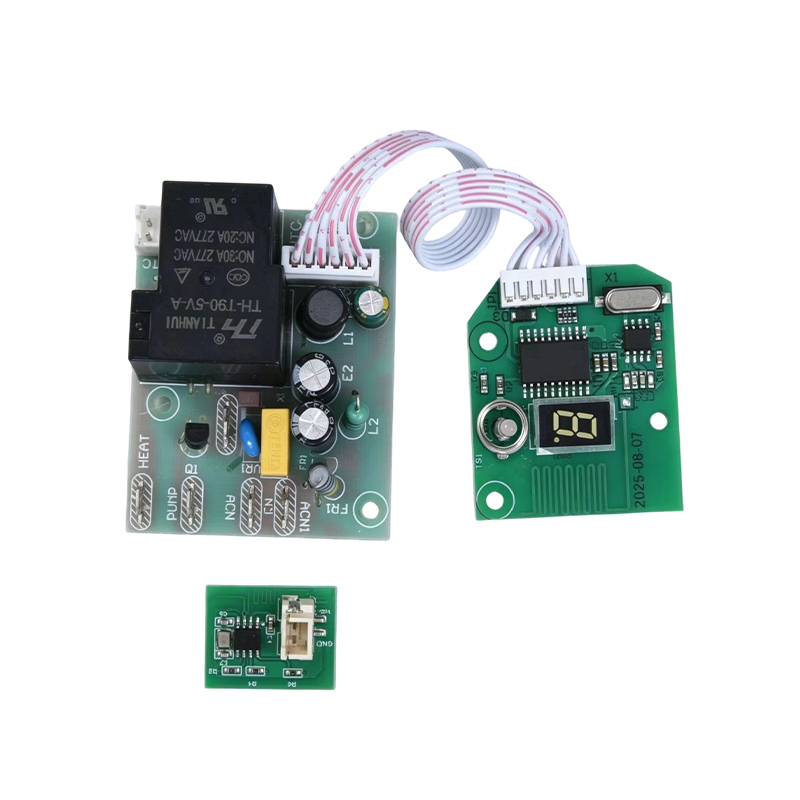

High Pressure Cleaner Heating & Control PCB
-
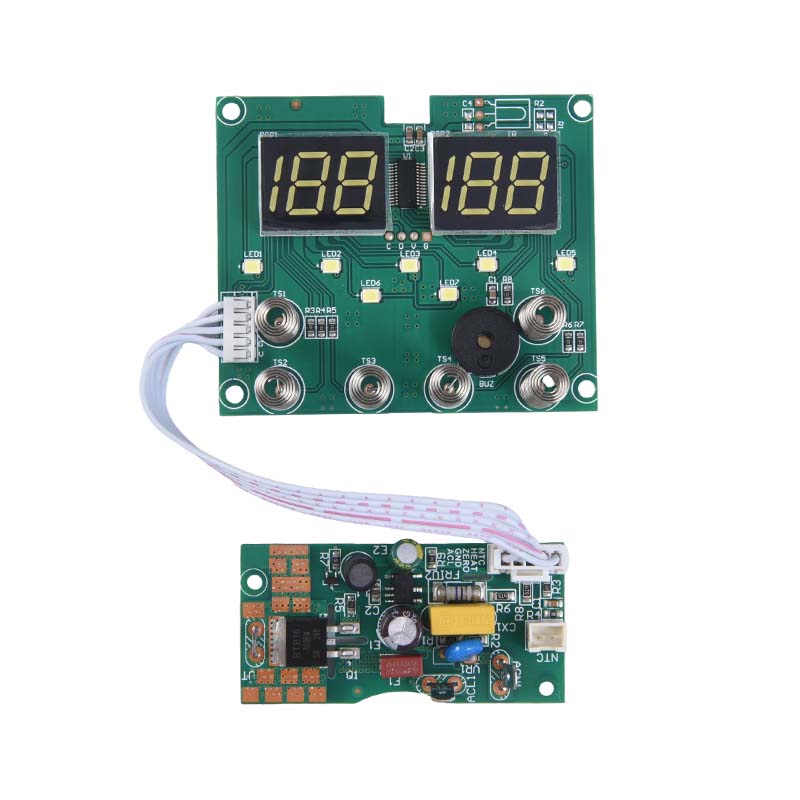
Baby Bottle Warmer Main Control PCB
-
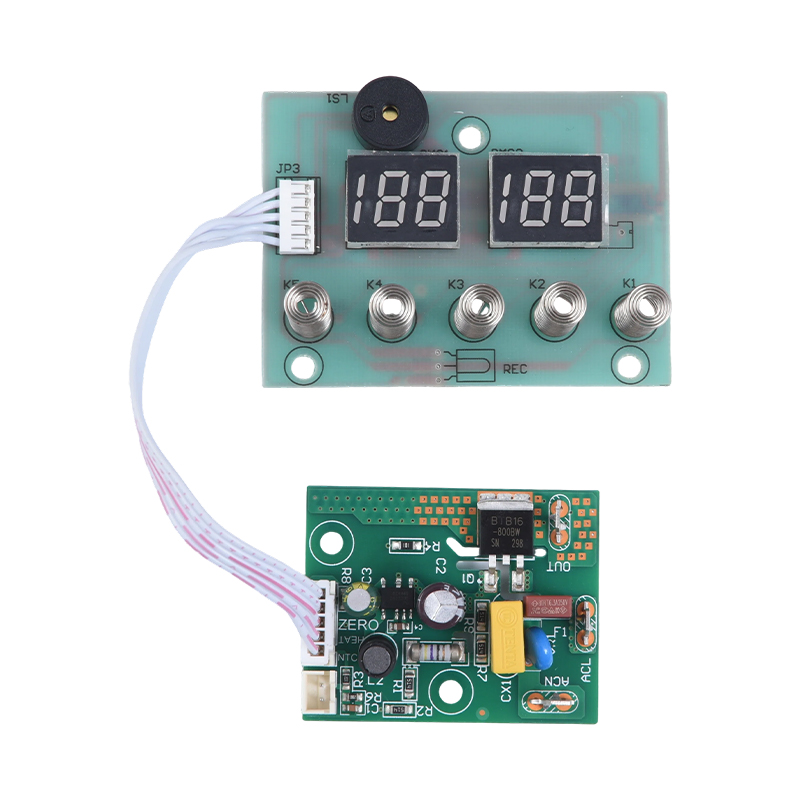
Baby Bottle Warmer Heating Control Board
-
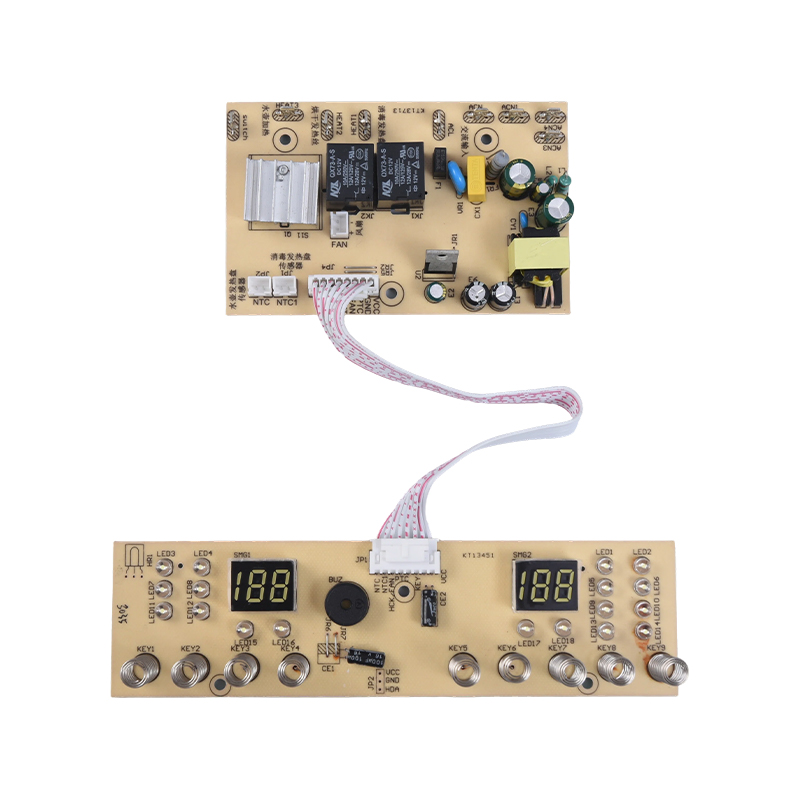
Temperature Sensor & Display Driver PCB for Bottle Warmer
-
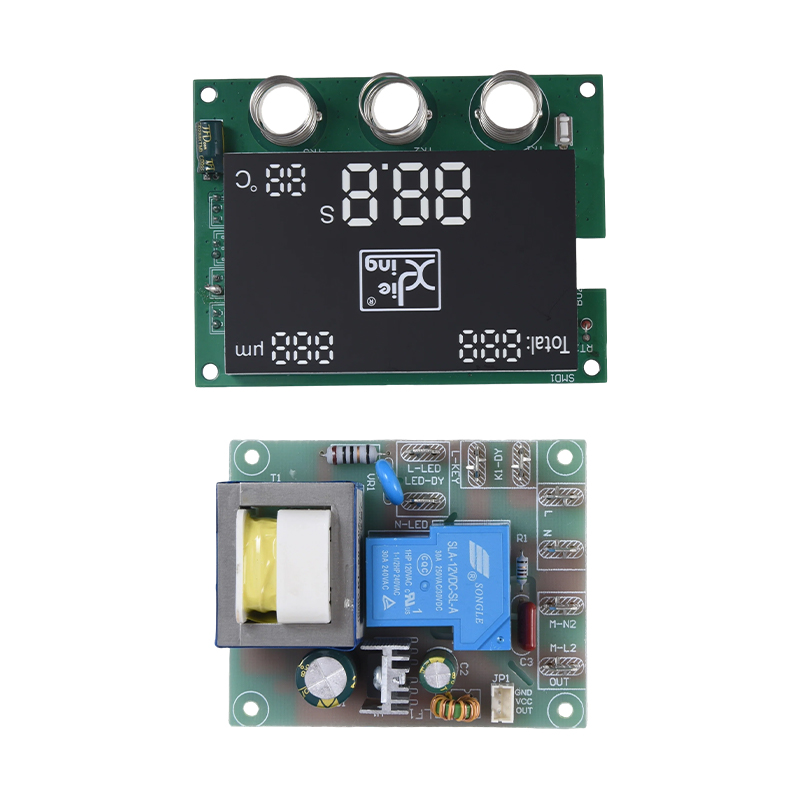
Coffee Grinder Main Control PCB
-
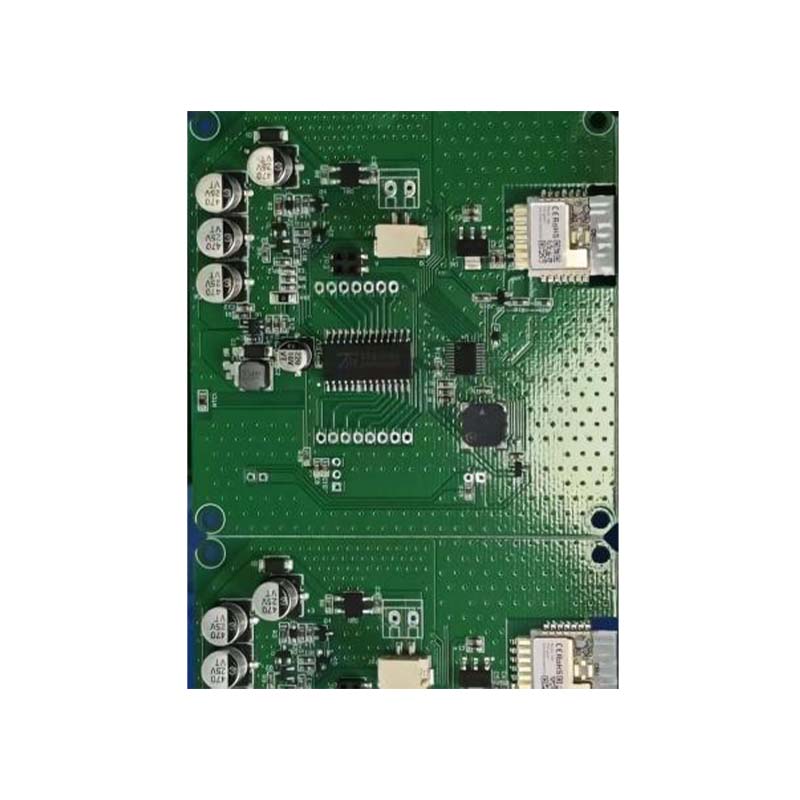
Electric Coffee Grinder Motor Driver Board
-
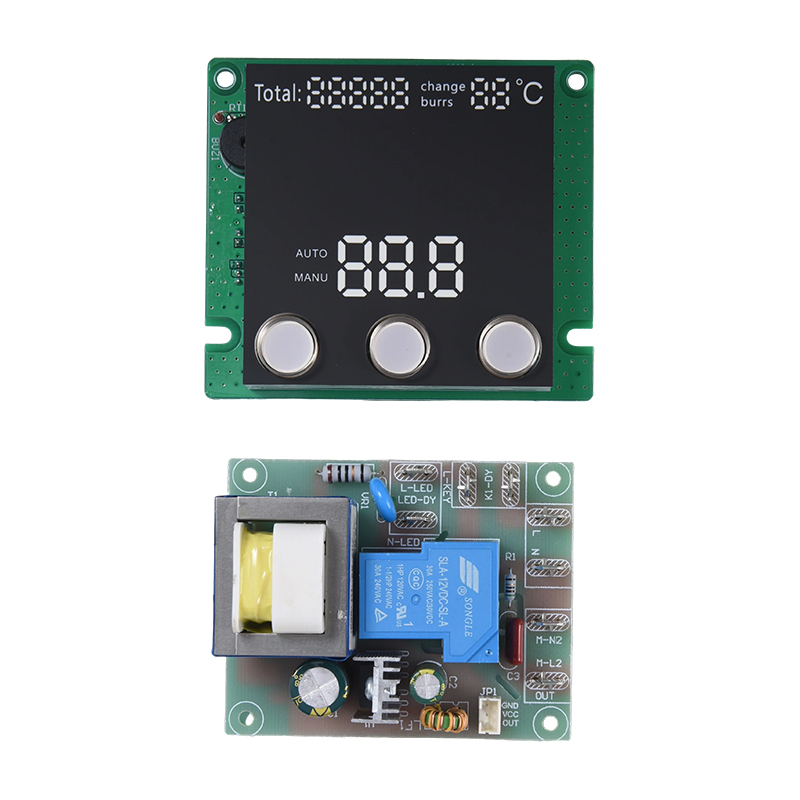
Smart Burr Grinder Quantitative Control PCB
-
Portable Coffee Mill Circuit Board
-
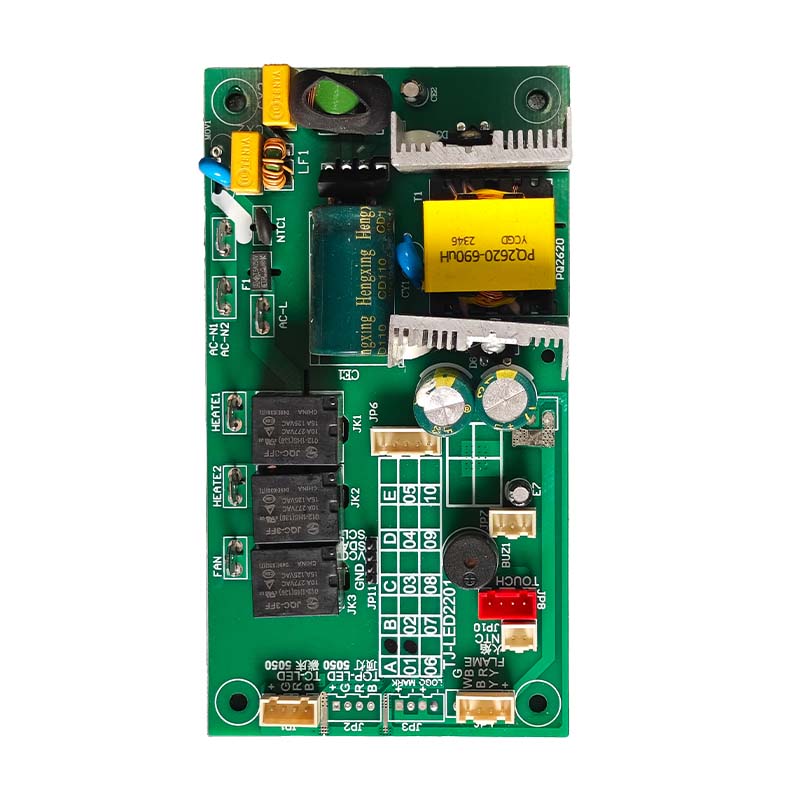
Electric Fireplace Main Control PCB
-
3D Flame Effect & Heating Driver Board
-
Smart Electric Heater Control Circuit Board
-
Wall-Mounted Fireplace Display & Power PCB
About

Ningbo Zhongsheng Electronic Technology Co., LTD.
Ningbo Zhongsheng Electronic Technology Co., LTD. was established in 2015 and is located in the beautiful port city of Ningbo. We are a China Printed Circuit Board Supplier and Electronic Circuit Board Factory, specialize in the research and manufacturing of intelligent control systems for household appliances. We focus on the full-chain services of intelligent control boards and electronic products, from research and development to manufacturing, always adhering to the core concepts of "high cost-effectiveness" and "smart living". Ningbo Zhongsheng Electronic Technology Co., LTD. was established in 2015 and is located in the beautiful port city of Ningbo. We specialize in the research and manufacturing of intelligent control systems for household appliances. We focus on the full-chain services of intelligent control boards and electronic products, from research and development to manufacturing, always adhering to the core concepts of "high cost-effectiveness" and "smart living".
Message Feedback
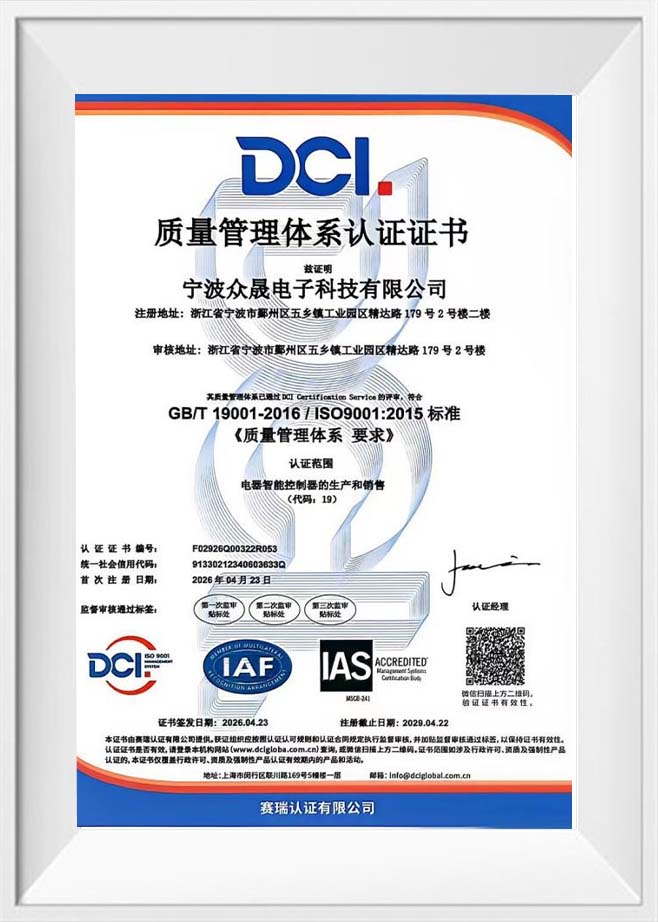
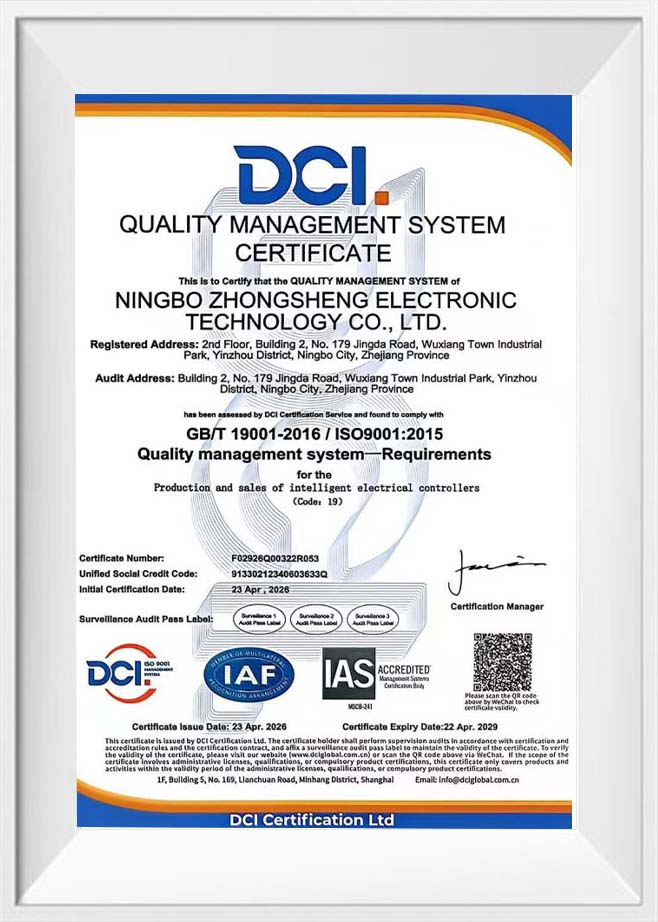
Certificate Of Honour
Latest News
Product Industry knowledge
What Buyers Should Know Before Sourcing an Electronic Circuit Board
The short answer for appliance brands, OEM buyers, and sourcing teams is this: a reliable Electronic Circuit Board depends less on any single specification and more on how well the design, materials, assembly, and testing are controlled together. A printed circuit board that looks identical on paper can behave very differently in the field if copper thickness, solder quality, or inspection coverage varies from one production batch to the next.
This article is written for buyers rather than engineers. It explains what a printed circuit board is made of, compares common board types, shows how process control affects reliability, and outlines what to ask a manufacturer before starting a project for household appliances or other consumer products. The charts use illustrative index values to make comparisons easier to read, so they should be treated as a planning aid rather than test results for any single product.
How Process Control Affects Board Reliability
Two boards built from the same design can differ widely in reliability depending on how they are assembled and inspected. The horizontal bar chart below scores three levels of process control on a 0-100 reliability index, which reflects solder joint quality, defect detection, and consistency between batches.
The strongest result comes from combining automated optical inspection with a functional test, because each catches problems the other can miss. Optical inspection finds visible issues such as missing parts, misaligned components, and solder bridges. A functional test powers the board and checks that it actually behaves as designed, which reveals faults that look perfect to a camera. A process that relies on spot checks may pass most boards, yet it leaves room for occasional defects to reach the customer. For a household appliance brand, even a small share of field failures can mean returns, repair costs, and damage to reputation, so inspection coverage is worth discussing early.
What a Printed Circuit Board Is Made Of
A printed circuit board is a layered structure that holds electronic components in place and connects them with copper pathways. The materials and layers chosen at the design stage decide how the board handles heat, vibration, and electrical noise once it is installed inside a product. Understanding these parts helps buyers ask better questions and compare quotations on equal terms.
Key Parts of a Circuit Board
- Base material: the rigid layer that gives the board its strength and determines how well it tolerates heat.
- Copper layers: carry current between components, and their thickness affects how much power a path can handle.
- Solder mask: the protective coating that prevents short circuits and shields the copper from moisture.
- Silkscreen: printed labels and markings that help with assembly, testing, and repair.
- Surface finish: the coating on exposed pads that keeps solder joints reliable and protects against oxidation.
- Vias: small plated holes that connect copper layers in double-sided and multilayer boards.
When a manufacturer controls these elements and assembles the board in the same facility, the finished electronic circuit board tends to behave more predictably across production batches.
Comparing Common Board Types
The number of copper layers is one of the first decisions in a project, because it shapes size, complexity, and how many functions the board can support. The table below summarizes the most common types used in appliance control.
Board Type Overview
| Board Type | Typical Use | Key Consideration |
|---|---|---|
| Single-sided board | Simple controls, basic switching | Limited routing space, simple layout |
| Double-sided board | Mid-complexity appliance control | Via quality between the two copper sides |
| Multilayer board | Smart controls, displays, connected products | Layer alignment and heat spreading |
| Metal-core board | Lighting and higher-power sections | Heat transfer away from components |
Choosing the simplest type that meets the product's needs keeps the design easier to manufacture and test, while moving to multilayer is usually justified once a product adds displays, wireless features, or tighter space limits.
How Yield Improves Across Pilot Runs
A new board rarely reaches its best yield on the first run, because fixtures, solder profiles, and test limits all need adjusting. The line chart below illustrates how first-pass yield typically rises across six pilot runs when a manufacturer reviews results and feeds changes back into the process.
In this example, yield climbs from about 92% on the first run to about 98% by the sixth run, with the largest gains in the early runs. Early improvements usually come from fixing layout details that are hard to build, adjusting stencil and reflow settings, and tightening test limits. Later gains are smaller because the remaining defects are rarer and harder to trace. For a buyer, the shape of this curve is a reason to ask for design-for-manufacturing feedback before mass production, since a few small layout changes can save many boards later. It is also worth asking how the factory records and reviews yield data, because a manufacturer that tracks results can explain exactly what changed between runs.
Where Circuit Boards Are Used in Household Appliances
A printed circuit board sits inside almost every modern appliance, but the demands placed on it vary by product. The column chart below shows how often different appliance categories are cited as core applications, on an illustrative percentage scale.
Kitchen appliances lead at 88%, since products such as kettles, cookers, blenders, and coffee machines rely on boards to manage heating, timing, and safety cut-offs. Cleaning appliances follow, where boards control motors, pumps, and battery charging in vacuum units and steam cleaners. Personal care products sit in the middle, with compact boards that must fit into small, handheld bodies. Air and climate devices and smart home controllers rank lower in this view but are growing, as more products add sensors and connectivity. Knowing this spread helps a supplier match board design to the environment, such as higher heat near kitchen elements or tighter space inside a handheld device.
Strengths and Trade-offs Across Six Dimensions
No board design is strongest in every area, and it helps to see where the trade-offs sit before finalizing a specification. The radar chart below maps six dimensions for a well-engineered appliance control board on a 0-100 scale.
Reliability scores highest, which is what appliance brands care about most, since a board that fails in the field is expensive to repair and harms trust in the product. Signal integrity and manufacturability follow closely, showing that a clean layout supports both good electrical behavior and smooth production. Thermal control and electromagnetic performance sit slightly lower, because compact boards near heating elements or motors face more heat and noise than boards in quiet environments. Compactness scores lowest, reflecting the trade-off between packing more functions into a small space and keeping enough room for heat to escape and for assembly to remain reliable. Buyers can use this profile to decide where to invest design effort, such as extra copper area for heat or additional shielding for noise-sensitive circuits.
Design Habits That Make Boards Easier to Manufacture
A few simple habits at the design stage reduce rework, shorten sample rounds, and improve yield once production starts.
- Share the full bill of materials and a clear assembly drawing at the start, so the factory can flag risky parts early.
- Leave room for test points, which make functional testing faster and more reliable.
- Keep heat-producing parts away from sensitive circuits, and give high-current paths enough copper width.
- Ask for design-for-manufacturing feedback before releasing the final files, rather than after the first sample.
- Agree on test limits and acceptance criteria in writing, so every batch is judged the same way.
These steps cost little at the design stage and often make a clear difference in how smoothly a project moves from first sample to stable mass production.
What to Ask a Circuit Board Manufacturer Before Starting
Quotations and spec sheets across suppliers can look alike, so the questions below help separate factories with real process control from trading intermediaries.
- Is board fabrication, assembly, and testing handled in-house, or are steps outsourced to other vendors?
- Which inspection and test methods are used, and how are results recorded for each batch?
- Can the team provide design-for-manufacturing feedback and support firmware or functional test development?
- What certifications and environmental compliance documents are available for the target market?
- How are component sourcing, substitutions, and change notices handled during a long production run?
A manufacturer that answers these questions with documents and records, rather than general statements, is usually easier to work with over the long term, since expectations are set clearly at the start of the relationship.
About Ningbo Zhongsheng Electronic Technology Co., LTD.
Ningbo Zhongsheng Electronic Technology Co., LTD. was established in 2015 and is located in the port city of Ningbo. The company is a China Custom Intelligent Control Boards Manufacturer and PCB Board Factory, specializing in the research and manufacturing of intelligent control systems for household appliances.
It focuses on full-chain services for intelligent control boards and electronic products, from research and development to manufacturing, and works under the core concept of "smart living" in every project.
Frequently Asked Questions
Q1: What is the difference between a printed circuit board and an electronic circuit board?
A1: The terms are often used interchangeably. A printed circuit board is the bare board with copper pathways, while an electronic circuit board usually refers to the board with components assembled on it.
Q2: How many layers does a household appliance board usually need?
A2: Simple controls often use single-sided or double-sided boards, while products with displays, sensors, or wireless features more often use multilayer boards.
Q3: Can a manufacturer customize a control board for a specific product?
A3: In many cases, yes. Manufacturers with in-house engineering can adapt board layout, functions, and connectors to a product's requirements and support testing during development.
Q4: Why is functional testing important in addition to visual inspection?
A4: Visual inspection finds physical defects, while a functional test powers the board and confirms it behaves as designed, which catches faults that cannot be seen.
Q5: What should a buyer review before approving mass production?
A5: Reviewing an approved pre-production sample, test records, and compliance documents for the specific board helps confirm that the production batch will match what was agreed.

-
 No. 179, Jingda Road, Wanshan Town, Yinzhou District, Ningbo City, Zhejiang Province, China
-
 +86-15344609926
+86 13858226971 -
 +86 13858226971
+86 15344609926 -
 13858226971@163.com
PRODUCTS
QUICK LINKS
SOCIAL MEDIA
Copyright © Ningbo Zhongsheng Electronic Technology Co., LTD. All Rights
Reserved
Printed Circuit Board Supplier
Electronic Circuit Board Factory
